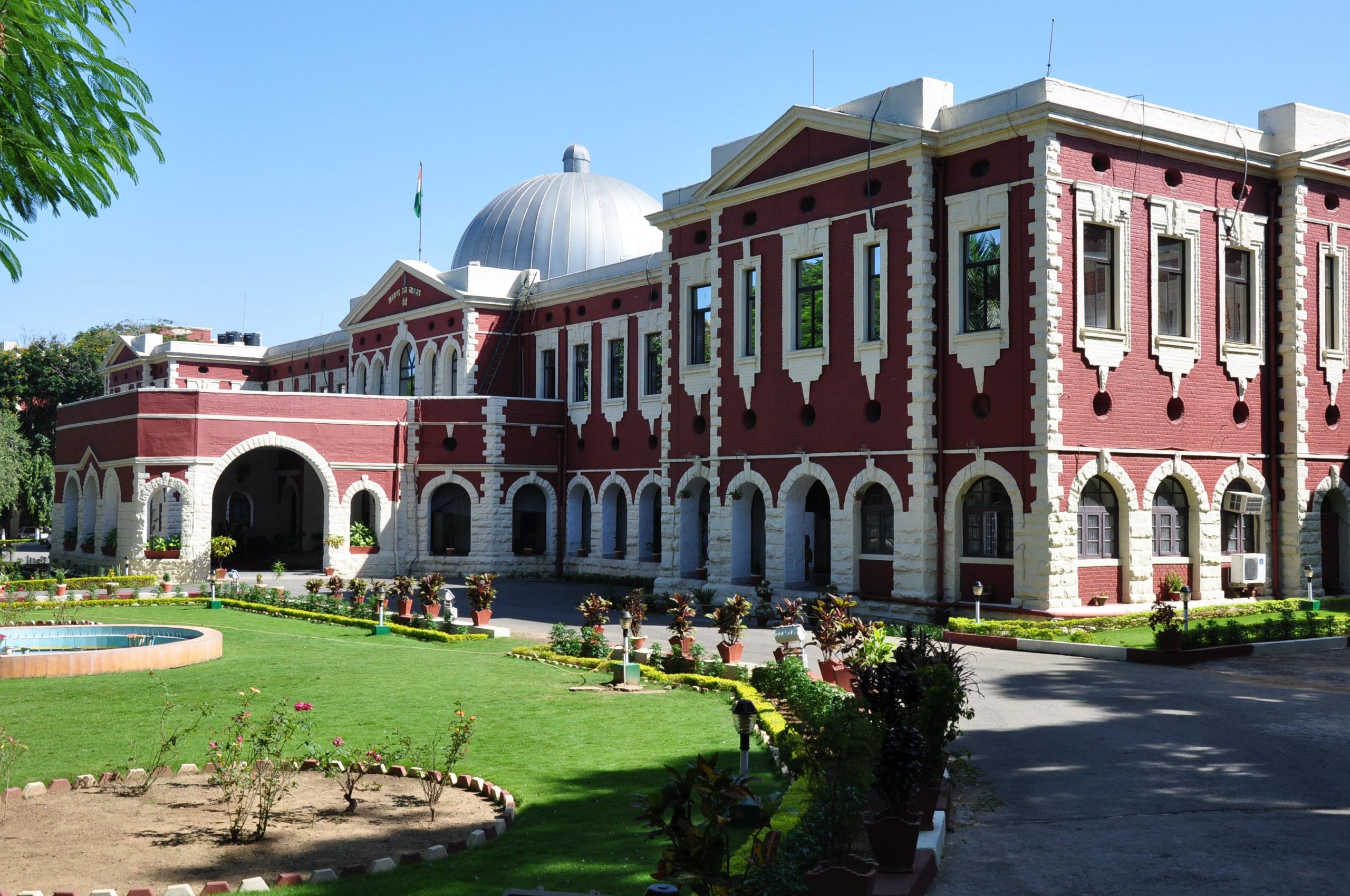
The Jharkhand High Court has quashed a magistrate’s proclamation issued against an accused in a decade-old criminal case, finding the order legally flawed for failing to record essential reasons and fixation of appearance details. Justice Anil Kumar Choudhary allowed a petition by Kishor Mandal, who challenged a proclamation under Section 82 of the Code of Criminal Procedure that had been issued in 2011 and later upheld by the Sessions Court in 2022. The High Court set aside both the magistrate’s April 18, 2011 order and the Sessions Judge’s May 17, 2022 order, and directed the trial court to pass a fresh order in accordance with law.
The petition arose from Gandey police station Case No. 60 of 2005, corresponding to G.R. No. 1670 of 2005. Mandal challenged the proclamation after the learned Judicial Magistrate First Class in Giridih issued it without recording any satisfaction that the accused was absconding or deliberately concealing himself to evade arrest. The magistrate’s order also omitted to mention a time and place for the accused to appear—requirements the High Court described as a sine qua non for issuing a proclamation under Section 82 Cr.P.C.
When the Sessions Judge dismissed the criminal revision filed by Mandal, the High Court found that the lower courts had overlooked settled legal principles governing proclamations. The High Court emphasized that the issuance of a proclamation is not a mechanical step but a judicial act that must be supported by recorded satisfaction and clear directions about when and where the accused should present themselves. Both the magistrate and the Sessions Judge were faulted for committing what the court called a “grave illegality” by failing to adhere to those essential requirements.
Justice Choudhary’s order, dated October 6, 2025, concludes the petition by quashing the earlier orders and remanding the matter for a legally compliant exercise of jurisdiction. The High Court’s direction effectively returns the matter to the trial court with clear instructions to reconsider the need for a proclamation only after recording the requisite satisfaction and by fixing time and place for appearance. The court’s ruling underscores the procedural safeguards that protect accused persons from summary measures and ensures courts follow statutory safeguards before invoking powers that affect personal liberty.
For practitioners, the judgment is a reminder that procedural formalities in criminal procedure are substantive protections and not mere technicalities. Courts must articulate their reasoning on the record when extraordinary steps such as public proclamations and attachment of property are considered. For accused persons, the decision reinforces that orders issued in their absence remain open to legal challenge if statutory safeguards are not respected.
Case Details : Cr.M.P. No. 3382 of 2022, Kishor Mandal vs State of Jharkhand. For the Petitioner : Mr. Ram Lakhan Yadav, Advocate. For the State : Mr. Bhola N. Ojha, Spl. P.P.
