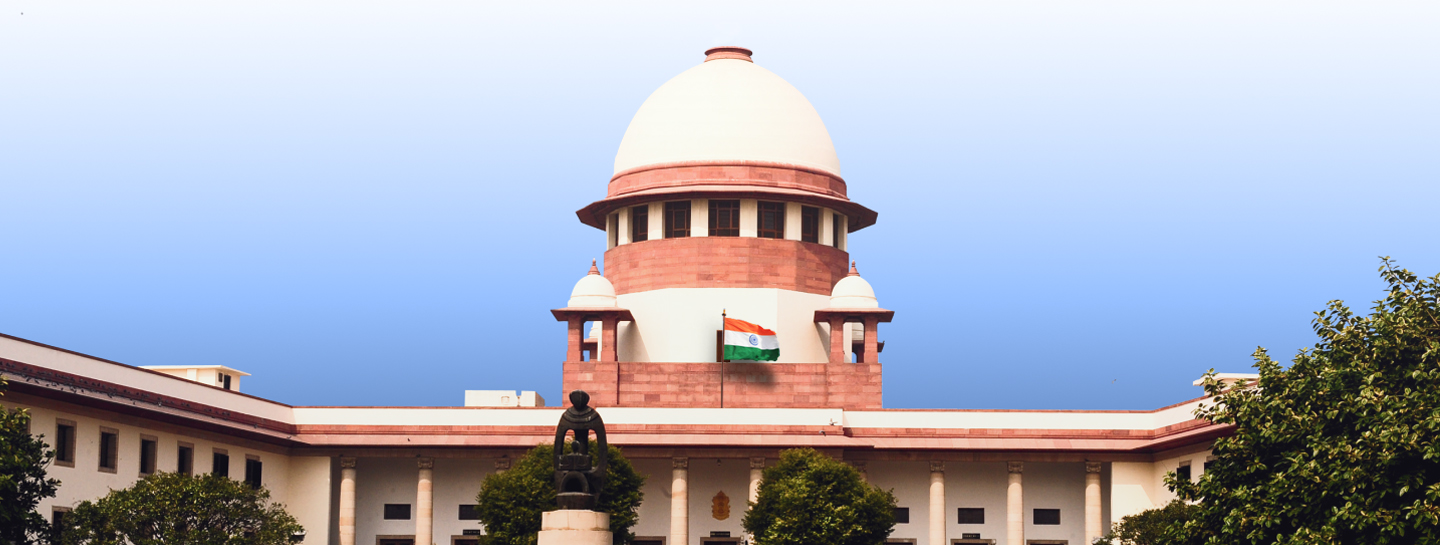
The Supreme Court of India has ruled that a mere refusal to marry, even if it causes emotional pain or distress, cannot be treated as instigation for suicide under Section 306 of the Indian Penal Code (IPC).
A Bench comprising Justice J.B. Pardiwala and Justice K.V. Viswanathan delivered the judgment in Yadwinder Singh @ Sunny vs. State of Punjab & Anr., allowing an appeal against a Punjab and Haryana High Court order that had refused to quash an FIR under Section 306 IPC.
The case involved a young government advocate who died by suicide after the appellant declined to marry her due to opposition from his family. Observing the facts, the Court noted that while the appellant and the deceased shared affection and intended to marry, family resistance played a crucial role in the appellant’s reluctance.
The Bench said, “It appears from the evidence that the appellant was helpless before his parents, and though he had feelings for the deceased, he could not go against their wishes.”
The Court made a clear distinction between emotional hurt and criminal abetment:
“The ingredients to constitute an offence under Section 306 IPC would be satisfied only if the suicide results from direct and active instigation by the accused, leaving no option but to commit suicide. The act must be deliberate, with clear mens rea.”
Referring to the precedent in Nipun Aneja & Others vs. State of Uttar Pradesh, the Bench reiterated that “without a positive act of instigation or aid, a conviction under Section 306 IPC cannot be sustained.”
In this case, the Court held that the appellant’s refusal to marry—owing to family opposition—did not amount to “instigation” under Section 107 IPC. “Even if the appellant declined to marry, it cannot be said he created a situation that left the deceased with no other option but to take her own life,” the Court observed.
Acknowledging the tragedy, the Bench remarked, “It is indeed sad that a young girl took such an extreme step. She may have felt deeply hurt, but as judges, we are bound to decide based on evidence and law, not emotion.”
Finding no ingredients of abetment, the Supreme Court quashed FIR No. 273 of 2016 dated November 7, 2016, and set aside Sessions Case No. 728 of 2018 pending before the Additional Sessions Judge, Amritsar. The Court also noted that the informant, the deceased’s mother, did not appear despite being duly served notice.
Senior Advocate P.S. Patwalia represented the appellant, while Advocate Mohit Siwach appeared for the State.
Case No. Special Leave to Appeal (Crl.) No.7309 of 2025)